-
×
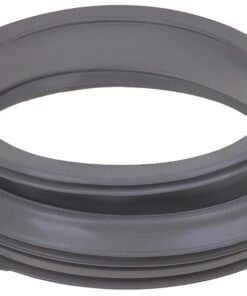 Zanussi L6W washing machine door seal 1240167427
 Shipping in 3-5 days
1 × 15,00€ -
×
 Eres Cleaning Vinegar 20615 14º Degrees Acidity
 Express 24h Available!
1 × 5,00€ -
×
Dishwashing tablets 24 pcs 3 in one Wpro C00860155
Express 24h Available!
1 × 6,50€ -
×
VARTA Industrial Type AA Alkaline Batteries Pack
Express 24h Available!
1 × 4,50€ -
×
Cleans standard refrigerator drain channels
Express 24h Available!
1 × 9,00€ -
×
Upper bottle rack shelf for Balay 3KFP76 refrigerator, Bosch KGV KGN36 00662580
Ships in 3-5 days
1 × 28,00€ -
×
Washer dryer door seal for Siemens Bosch WD12/14 WS10/12 WM10/12 00684526
Shipping in 3-5 days
1 × 79,00€ -
×
Junkers Minimaxx WRD11-2 heater cable assembly 87044012530
Express 24h Available!
1 × 14,76€ -
×
Compatible vacuum cleaner bags Orbegozo AP7007 Rowenta 1717 Tecnhogar 915535
Express 24h Available!
1 × 6,95€ -
×
Evaporator defrost heater for Balay Siemens Bosch refrigerator KGU KG 3FG 00215040
Ships in 5 days
1 × 19,00€ -
×
Junkers CGW25/CG19 Boiler Filling Valve 87161424110
Express 24h Available!
1 × 19,21€ -
×
Left side chassis frame for De'Longhi Dinamica Ecam PrimaDonna coffee machine 5313256591
Shipping in 7/10 days
1 × 17,56€ -
×
Balay Oven Control Module 3HB1000 Superser 5H10 Bosch HBF011 12023147
Ships in 3-5 days
1 × 39,50€ -
×
Washing machine door hatch rubber seal MIELE WFK120 WKH121 WFM140 9046470
Shipping in 3-5 days
1 × 22,50€ -
×
Wpro SSC212 Stainless Steel Cleaner – Professional Spray 500ml (Ref. C00380138 / 484000008423)
Express 24h Available!
1 × 7,99€ -
×
Metal filter for Ufesa 970-37 fryer
Express 24h Available!
1 × 4,00€ -
×
ECO Clay Cleaner 2P 500gr
Shipping in 48/72h.
1 × 9,20€ -
×
Thermostat for Ramco Standard Vt93 two-door refrigerator
Express 24h Available!
1 × 14,52€ -
×
 Braun Chopper Lid 350ml Multiquick 3 Miniprimer 3 MR4000 67050330
 Ships in 3-5 days
1 × 14,00€ -
×
 Junkers CGA / CGW boiler isolation valve 87161424180
 Shipping in 48/72h.
1 × 20,82€ -
×
Automatic shoe cover dispenser, 100 plastic bags
Ships in 5-7 days
1 × 39,00€ -
×
Solac Super Epil wax refill
Express 24h Available!
1 × 2,90€ -
×
Complete freezer door for Bosch refrigerator KIF KIV 00355752
Ships in 3-5 days
1 × 116,00€ -
×
Braun Multimix M880 Hand Mixer Whisk Set 7322211054
Ships in 3-5 days
1 × 11,76€
 Eres Cleaning Vinegar 20615 14º Degrees Acidity
  Dishwashing tablets 24 pcs 3 in one Wpro C00860155
  VARTA Industrial Type AA Alkaline Batteries Pack
  Cleans standard refrigerator drain channels
  Upper bottle rack shelf for Balay 3KFP76 refrigerator, Bosch KGV KGN36 00662580
  Washer dryer door seal for Siemens Bosch WD12/14 WS10/12 WM10/12 00684526
  Junkers Minimaxx WRD11-2 heater cable assembly 87044012530
  Compatible vacuum cleaner bags Orbegozo AP7007 Rowenta 1717 Tecnhogar 915535
  Evaporator defrost heater for Balay Siemens Bosch refrigerator KGU KG 3FG 00215040
  Junkers CGW25/CG19 Boiler Filling Valve 87161424110
  Left side chassis frame for De'Longhi Dinamica Ecam PrimaDonna coffee machine 5313256591
  Balay Oven Control Module 3HB1000 Superser 5H10 Bosch HBF011 12023147
  Washing machine door hatch rubber seal MIELE WFK120 WKH121 WFM140 9046470
  Wpro SSC212 Stainless Steel Cleaner – Professional Spray 500ml (Ref. C00380138 / 484000008423)
  Metal filter for Ufesa 970-37 fryer
  ECO Clay Cleaner 2P 500gr
  Thermostat for Ramco Standard Vt93 two-door refrigerator
  Braun Chopper Lid 350ml Multiquick 3 Miniprimer 3 MR4000 67050330
  Junkers CGA / CGW boiler isolation valve 87161424180
  Automatic shoe cover dispenser, 100 plastic bags
  Solac Super Epil wax refill
  Complete freezer door for Bosch refrigerator KIF KIV 00355752
  Braun Multimix M880 Hand Mixer Whisk Set 7322211054
 Zanussi L6W washing machine door seal 1240167427
 Biomass
The manufacture and consumption of pellets in Spain increased during 2022

Estimates for the year ending continue in the same vein: plants could approach 800,000 tons produced, while consumers would have purchased close to 900,000 tons in 2023.
The latest statistical report from AVEBIOM on the wood pellet market for 2022 and 2023, 'Statistical Report on Pellet Production and Consumption in Spain', . This report contains data on wood pellet production and consumption at both the national level and by autonomous community. It also includes statistics on the evolution of the ENplus certification system in Spain .
Since 2022, domestic manufacturers have made a significant effort by increasing production and prioritizing service to Spanish customers. As a result, production and consumption curves are converging . The difference is offset by imports from Portugal.
It has become clear that pellet manufacturing in Spain is increasingly concentrated in large-capacity plants, while smaller facilities not connected to wood-related activities are disappearing: between 2021 and 2022, the number of factories fell from 75 to 67. Thirty-six of these hold a valid ENplus certificate and are responsible for 90% of certified pellet production in Spain.
Consumers trust pellets despite the crisis.
Rising inflation and high pellet prices, common throughout Eur , slowed the pace of pellet equipment installation in Spain by 13% in the second half of 2022 compared to the previous year, when sales records for new equipment in the domestic sector were broken.
However, according to the latest survey on pellet consumption in the EU prepared by Bioenergy Eur(conducted at the end of November and forthcoming), the majority of eurand Spanish users confirm that they will continue to use pellets despite being concerned about the price increase in the last season.
In any case, heating with gas in 2022 was 44% more expensive than heating with pellets , and heating with electric radiators, for example, cost three times as much as heating with pellets.
Since 2012, the association has analyzed pellet prices both at the factory (monthly) and at retail outlets (quarterly). Since April 2023, prices have remained stable at levels similar to those of summer 2022 (€275/ton) , and although it does not seem likely that we will return to pre-crisis prices in the coming months, the reduction in exports to countries like Italy and a mild start to the season could lead to a temporary overstock that might result in price reductions at the beginning of the year.
The VAT change for pellets:
The 5% VAT rate on energy supplies ends on December 31st and will increase to 10% for the first half of 2024 for pellets and other solid biofuels, before returning to 21%. This will undoubtedly encourage consumers to stock up on pellets before the grace period ends.
In the next six months, AVEBIOM will do everything possible to convince the government of the opportunity that maintaining advantageous taxation for biomass compared to fossil fuels represents for the energy transition of our country.
